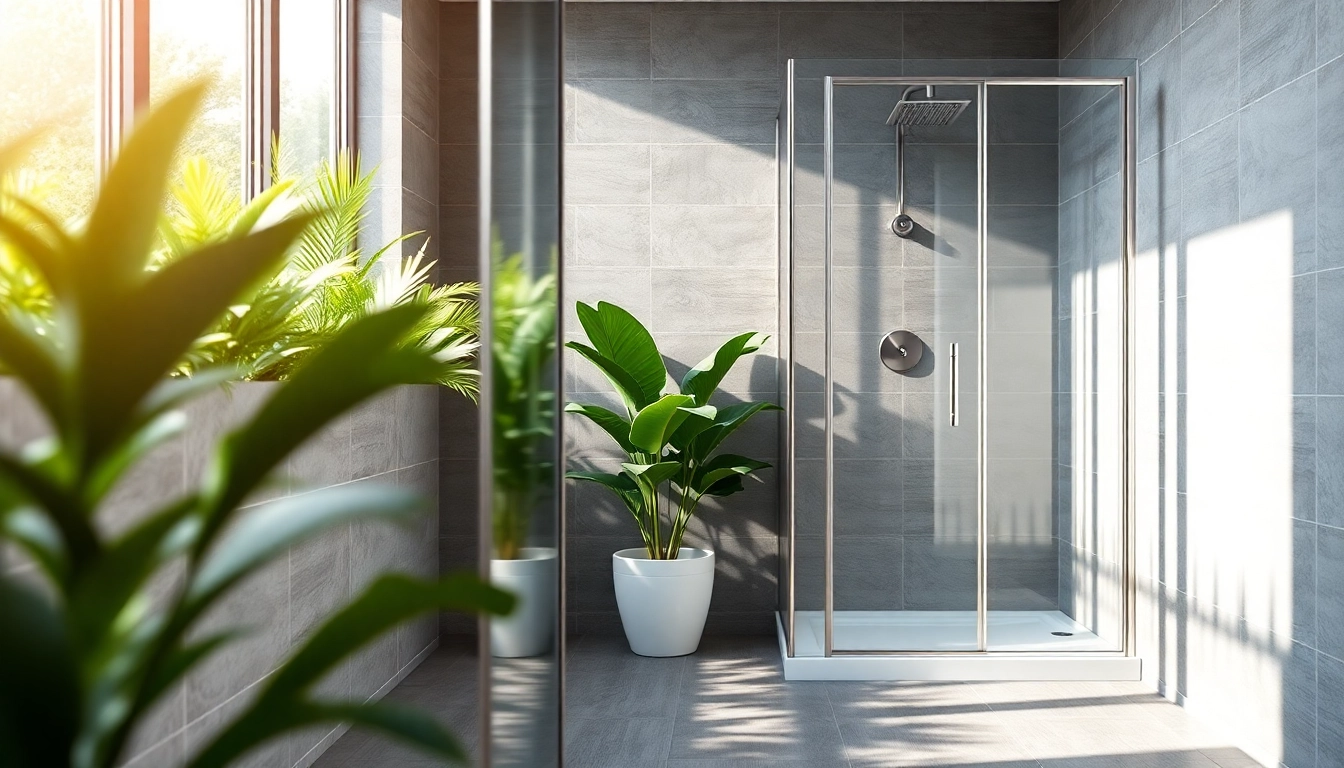
Introduction to Shower Screens for Walk In Showers
In contemporary bathroom design, the choice of fixtures can dramatically influence both functionality and aesthetics. Among the essential elements in a bathroom, shower screens for walk in showers hold a significant place. These screens not only serve practical purposes by containing water but also enhance the visual appeal of the space. This article delves into the various aspects of shower screens, guiding you through their definitions, benefits, types, and considerations when choosing the ideal screen for your walk-in shower.
What Are Shower Screens?
Shower screens are transparent or semi-transparent panels designed to enclose the shower area. Unlike traditional shower curtains, these screens provide a more modern, sleek, and hygienic alternative. They can be made from various materials, but glass is the most popular choice due to its durability and aesthetic qualities. Shower screens come in various styles, from framed and semi-frameless to completely frameless designs, catering to diverse design preferences and needs.
Benefits of Using Shower Screens
The benefits of using shower screens in walk-in showers are numerous:
- Enhanced Aesthetics: Shower screens provide a clean, modern look, contributing to a brighter, more spacious feel in the bathroom.
- Water Containment: They effectively prevent water from splashing out of the shower area, helping to keep the rest of the bathroom dry.
- Easy Maintenance: Glass screens are easy to clean and maintain, often requiring just a quick wipe down with a suitable cleaner.
- Safety Features: Many shower screens are made from tempered safety glass, which is less likely to shatter and poses a lower risk of injury.
- Increased Value: A well-installed, stylish shower screen can enhance your property’s value and appeal, making it attractive to potential buyers.
Types of Shower Screens Available
There’s a wide variety of shower screens to choose from, each with its specific features:
- Framed Shower Screens: These consist of a metal frame around the glass, providing additional support and sealing, ideal for traditional bathroom designs.
- Semi-Frameless Shower Screens: Featuring minimal framing, these screens offer an elegant look while still providing stability.
- Frameless Shower Screens: Completely devoid of frames, frameless screens offer a minimalist design that maximizes visibility and light in the bathroom.
- Bi-Fold Shower Screens: Perfect for smaller bathrooms, these screens fold inwards to save space, allowing easy access while enclosing the shower area.
- Sliding Shower Screens: These are designed for efficient use of space, where panels slide over one another to provide access to the shower.
Choosing the Right Shower Screens for Walk In Showers
Selecting the perfect shower screen for your walk-in shower can be influenced by numerous factors. Understanding your specific needs and preferences is key to making an informed decision.
Factors to Consider
When choosing shower screens for walk-in showers, consider the following factors:
- Space Availability: Evaluate the size of your bathroom and shower area to determine what screen design would work best without cramping the space.
- Style and Design: Choose screens that match the overall design aesthetic of your bathroom. Modern, sleek designs may be more suitable for contemporary spaces, while traditional frames may best suit classic looks.
- Budget: Shower screens can vary significantly in price. Set a budget that accounts for both the screen itself and any installation costs.
- Cleaning and Maintenance: Opt for designs that are easy to clean, especially if you have hard water, which can leave mineral deposits on glass surfaces.
- Usage: Consider who will be using the shower. For families with children or elderly members, safety features should be a priority.
Best Materials for Shower Screens
The material of your shower screens can significantly affect their durability, maintenance, and appearance. Common options include:
- Tempered Glass: Known for its strength and safety, tempered glass is the most popular choice as it withstands thermal stress and impacts.
- Acrylic: A lightweight and inexpensive alternative, acrylic is not as durable as glass but is easier to handle and install.
- Polycarbonate: This material provides excellent impact resistance and is a good choice for high-traffic bathrooms.
- Framing Materials: If opting for framed designs, consider aluminum or stainless steel for their durability and resistance to rust.
Size and Fit Considerations
Proper sizing and fitting of shower screens is essential for functionality. Here are a few tips:
- Measure Twice: Accurate measurements of your shower space are crucial to ensure the screens fit correctly.
- Consider Height: Standard shower enclosure height varies, but ensure the screen is tall enough to prevent water from escaping while accommodating your shower’s configuration.
- Custom Options: If standard sizes do not suit your needs, consider custom-made screens for a perfect fit.
Installation Guide for Shower Screens
Installing shower screens may seem daunting, but with the right approach, it can be a feasible task. Proper installation not only enhances the appearance of your bathroom but also ensures functionality.
Tools and Materials Needed
Gather the following tools and materials before starting your installation:
- Measuring tape
- Level
- Drill and appropriate drill bits
- Screwdriver
- Silicone sealant
- Glass cleaner
- Safety glasses and gloves
Step-by-Step Installation Process
- Prepare the Area: Ensure the shower area is clean and clear of obstructions.
- Measure and Mark: Use measuring tape to determine where the screen will be mounted. Use a level to ensure your markings are straight.
- Install Wall Brackets: Follow manufacturer instructions to drill and install wall brackets or any necessary supports.
- Mount the Screen: Carefully lift the screen into position and secure it with the appropriate screws and fixtures. Ensure it is level and plumb.
- Seal Gaps: Apply silicone sealant around the edges to prevent water leakage.
- Final Check: Ensure everything is secure, clean the glass, and test the screen to ensure it operates correctly.
Common Installation Mistakes to Avoid
Be mindful of common pitfalls during installation:
- Not Measuring Properly: Accurate measurements are critical. Double-check your work to avoid costly mistakes.
- Ignoring Safety Precautions: Always wear safety glasses and gloves when handling glass panels.
- Failing to Seal Properly: Neglecting to apply silicone sealant properly can lead to water damage and mold growth.
- Improper Support Installation: Ensure brackets and supports are securely installed to prevent the screen from falling.
- Rushing the Process: Take your time during installation to ensure a professional finish.
Maintenance Tips for Shower Screens
Routine maintenance will prolong the life and appearance of your shower screens. Here are some effective maintenance tips:
Cleaning and Care Best Practices
Maintaining clean shower screens is essential for hygiene and aesthetics:
- Use the Right Cleaners: Opt for non-abrasive cleaners specifically formulated for glass surfaces to prevent scratches.
- Frequency: Regular weekly cleaning can prevent soap scum and water spots from building up.
- Soft Cloths: Use microfiber cloths for cleaning to avoid leaving streaks on the glass.
Preventing Mold and Mildew
Mold and mildew can thrive in damp conditions. Consider these tips:
- Ventilation: Ensure your bathroom is well-ventilated to reduce humidity levels after showering.
- Regular Inspections: Routinely check for any signs of mold or mildew and act promptly.
- Cleaning Solutions: Use a mixture of vinegar and water as a natural mold inhibitor when cleaning.
Long-Term Maintenance for Longevity
Consider these long-term practices for preserving your shower screens:
- Inspect for Damage: Regularly check for cracks or chips in the glass, addressing issues to prevent further damage.
- Reapply Sealant: Consider reapplying silicone sealant yearly, or whenever you notice deterioration, to maintain a watertight seal.
- Professional Cleaning: Every now and then, consider hiring professionals for deep cleaning to maintain crystal clarity.
Frequently Asked Questions about Shower Screens
1. How do I clean shower screens effectively?
For effective cleaning, use non-abrasive glass cleaners with a microfiber cloth. Regular weekly cleaning will prevent soap scum and water deposits.
2. Are shower screens difficult to install?
With proper tools and careful measurement, installing shower screens can be manageable for a competent DIYer. Following the manufacturer’s guidelines is essential.
3. What materials are best for shower screens?
Tempered glass is the best material for its safety, durability, and ease of maintenance. Acrylic and polycarbonate options are also available.
4. Can shower screens prevent water leakage?
When installed correctly, shower screens can effectively contain water, preventing leaks and minimizing water damage in the bathroom.
5. How do I prevent mold growth on shower screens?
Maintain low humidity by ensuring good ventilation in the bathroom and regularly cleaning the screens with vinegar to inhibit mold growth.