Understanding LVP Floors: A Comprehensive Guide
What Are LVP Floors?
Luxury Vinyl Plank (LVP) floors have gained considerable popularity for both residential and commercial spaces. These flooring options are designed to imitate the appearance of natural materials like hardwood or stone while providing enhanced durability and performance. Constructed from multiple layers, LVP floors offer a core layer for stability, a design layer for aesthetics, and a top layer that provides protection against wear and tear. The unique manufacturing process involves high-resolution printing technology, making it difficult to discern LVP from genuine wood or stone upon first glance.
Benefits of Choosing LVP Floors
Choosing lvp floors comes with numerous advantages:
- Durability: LVP is resistant to scratches, dents, and stains, making it ideal for high-traffic areas.
- Water Resistance: Many LVP products feature a waterproof core, allowing placement in moisture-prone areas like kitchens and bathrooms.
- Comfort and Warmth: Unlike tile or stone, LVP floors provide warmth underfoot, making them comfortable to walk on.
- Endless Design Options: Available in an array of colors, textures, and patterns, LVP floors can complement any home decor style.
- Low Maintenance: Cleaning is straightforward—regular sweeping and occasional mopping keep LVP looking fresh.
Comparison with Other Flooring Types
When considering flooring options, it’s essential to compare LVP with other types such as hardwood, laminate, and tile. While hardwood provides an authentic look and feel, it often requires more maintenance and is susceptible to water damage. Laminate, while more affordable, lacks the depth and realism of LVP. Tile is durable and waterproof but often cold and hard underfoot. LVP strikes a balance, offering an appealing aesthetic with enhanced functionality, making it a smart choice for many homeowners.
Installation Process of LVP Floors
Preparing the Subfloor
The installation of LVP begins with proper subfloor preparation. The subfloor must be clean, dry, and level to ensure a smooth application. Any bumps or dips should be addressed using a leveling compound. If there are existing floor coverings, they may need to be removed, especially if they are peeling or damaged. A moisture barrier might also be necessary, especially when installing in basements.
Tools Needed for Installation
Successful LVP installation requires the following tools:
- A utility knife and straight edge for cutting the planks
- A measuring tape for precise measurements
- A tapping block for joining planks
- A pull bar to tighten joints
- A rubber mallet to avoid damaging the planks
- A level for ensuring an even surface
- A foam underlayment if not pre-attached to the planks
Step-by-Step Installation Guide
Follow these steps for a successful LVP floor installation:
- Acclimatization: Allow the LVP planks to acclimate in the room where they will be installed for at least 48 hours.
- Measure the Room: Take measurements to determine how many planks you will need, accounting for cuts and waste.
- Prepare the Subfloor: Ensure the surface is clean, dry, and level, making any necessary repairs.
- Install the First Row: Start in a corner, laying the first plank with the tongue facing the wall. Use spacers to create a gap for expansion.
- Continue Installation: Connect the second plank by angling it into the first and pressing down. Repeat, using a tapping block to secure the planks together.
- Cut the Last Row: Measure and cut the final row to fit, ensuring spacers remain in place.
- Final Touches: Remove spacers and install baseboards or trim to cover expansion gaps.
Maintenance Tips for Longevity of LVP Floors
Cleaning and Care Best Practices
To keep LVP floors in top condition, implement the following cleaning practices:
- Routine Cleaning: Sweep or vacuum regularly to remove dirt and debris that can scratch the surface.
- Spot Cleaning: Wipe spills immediately with a damp cloth to prevent stains.
- Occasional Mopping: Use a damp mop with a suitable cleaner specifically designed for LVP.
Dealing with Scratches and Damages
Minor scratches can often be resolved using a repair kit available for LVP. For deeper scratches or damages, follow these steps:
- Clean the area thoroughly and dry it.
- If necessary, fill in gaps with a vinyl flooring repair kit.
- Use a color-matched marker or crayon to blend the repair with the surrounding area.
Protective Measures to Extend Life
To prolong the lifespan of LVP floors, consider the following protective measures:
- Place doormats at entrances to trap dirt and moisture.
- Use felt pads on the bottom of furniture to prevent scratches.
- Avoid using harsh chemicals that can damage the surface.
Design Ideas and Trends for LVP Floors
Popular Color Schemes and Patterns
The aesthetic appeal of LVP floors is immense, with trends shifting towards natural wood looks and earthy tones. Popular colors include:
- Light Oak: A fresh, airy choice suitable for smaller spaces.
- Gray Ash: Ideal for modern decor, providing a stylish contrast to bright furnishings.
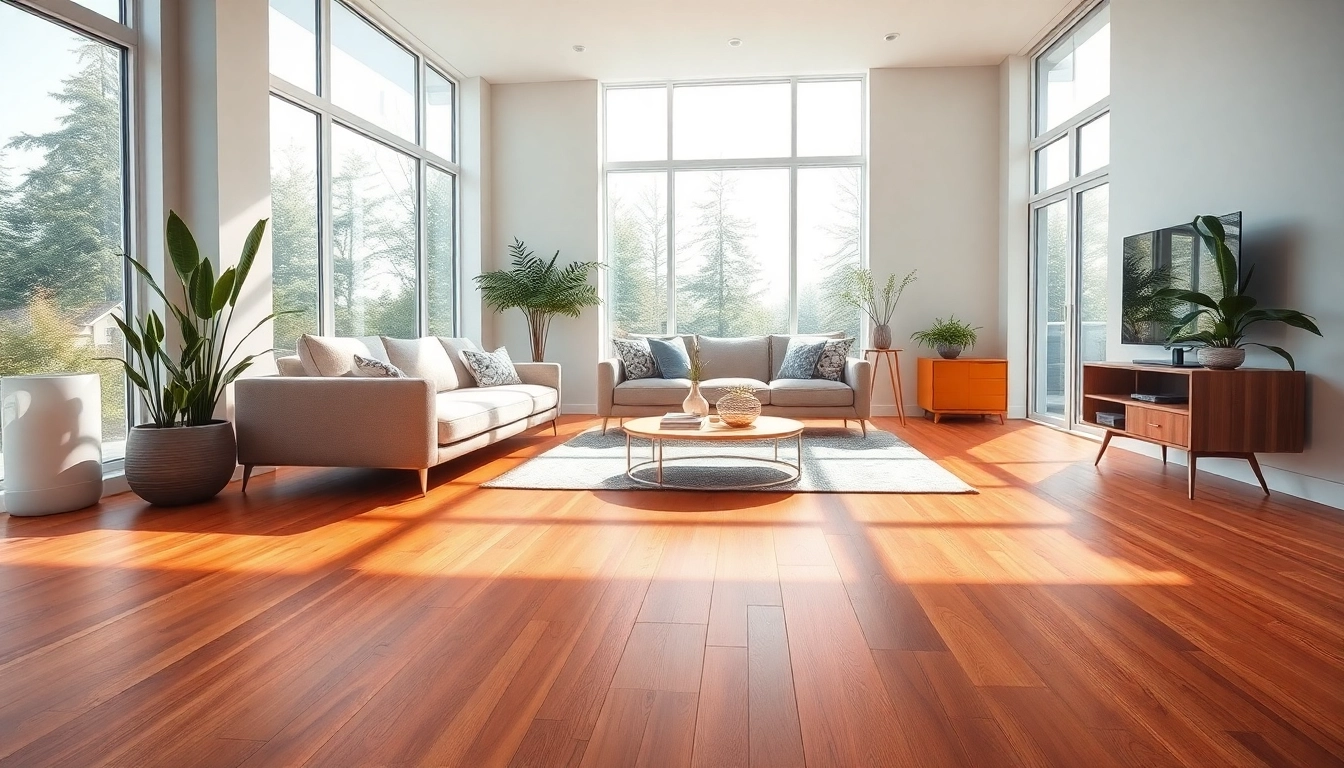
- Rich Walnut: Adds warmth and family-friendly feel, great for living rooms.
Integrating LVP Floors into Various Room Styles
LVP floors seamlessly integrate into different room styles, whether contemporary, rustic, or minimalist. For instance:
- In a rustic setting, choose natural-looking LVP with knot patterns.
- For a contemporary design, opt for sleek, dark tones that provide a dramatic backdrop.
- In minimalist rooms, select light-colored planks that enhance the spaciousness.
Enhancing Interiors with Decorative Accents
Enhance your LVP floors with decorative accents such as area rugs, which can add texture and warmth. Consider layering rugs in contrasting colors to create dynamic focal points while maintaining protection for your flooring. Wall colors and furniture styles can complement the flooring, with monochromatic themes or vibrant contrasts to enhance the overall aesthetic.
Frequently Asked Questions About LVP Floors
How durable are LVP floors against wear?
LVP floors are highly durable, featuring a wear layer that protects against scratches and wear, suitable for high-traffic areas when properly maintained. They often come with warranties that reflect their durability.
Can LVP floors be installed over old flooring?
Yes, LVP can often be installed over existing floors, provided they are flat and stable. It’s essential to ensure no moisture issues exist before proceeding with installation.
What is the cost range for LVP floors?
The cost of LVP flooring varies widely based on quality and brand, typically ranging from $2 to $5 per square foot. Higher-end options may be more expensive but offer better aesthetics and durability.
Are LVP floors waterproof?
Many LVP products are designed to be waterproof, making them suitable for areas like kitchens and bathrooms, ensuring protection against spills and moisture.
How do I choose the right color for my LVP floors?
Consider your existing décor, lighting, and room size when selecting a color. Lighter shades can make a room feel more spacious, while darker colors add warmth and elegance.